
Audience: licensed fillers/retail buyers comparing FRYD-style 510 carts and disposables for private-label programs.
TL;DR
“best fryd vape” for B2B means oil-matched coils + reliable seals + clean paperwork.
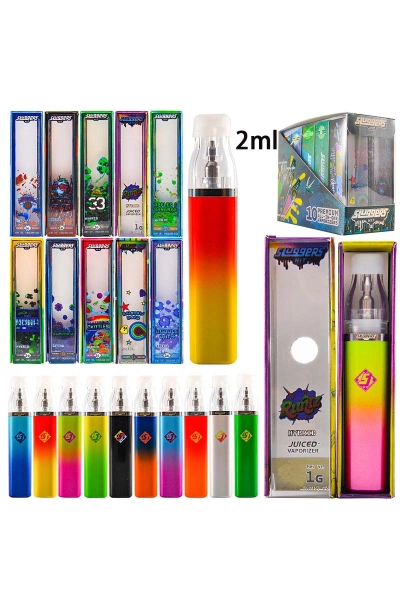
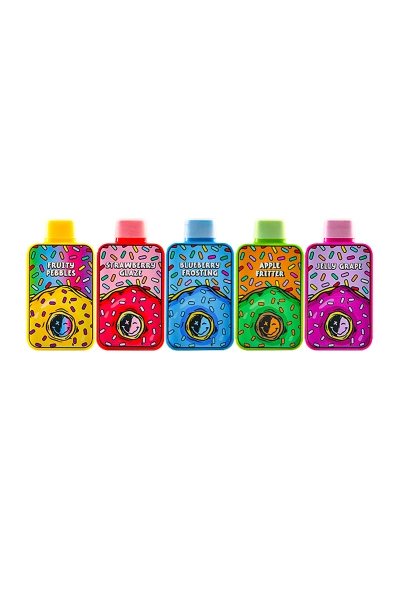
If you’re sourcing fryd vape empty shells, pilot with your real oil and route.
Use a custom fryd vape review rubric (below) before any bulk PO.
Want fryd vape price cheap without quality loss? Standardize BOM, lock packaging early, and consolidate freight.
1) What “best” looks like for FRYD-style devices
Oil match first.
Live resin/rosin blends demand larger inlets and a porous ceramic with even wicking; thin distillates often prefer smaller inlets. Pair this with a low starting voltage and short pre-heat to protect terpenes—your foundation for the best fryd vape experience.
Leak resistance & capping.
Airtight mouthpiece design, consistent press/twist torque, and post-fill back-pressure tolerance reduce seepage during shipping.
Materials & compliance.
Request supplier documentation (RoHS/REACH where applicable), stainless grades, ceramic sintering specs, and batch/lot traceability. For retail markets, reserve label zones for warnings, QR to COA, and recycling/battery marks.
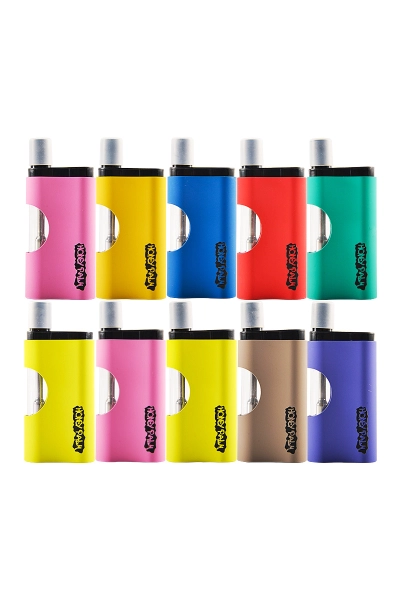
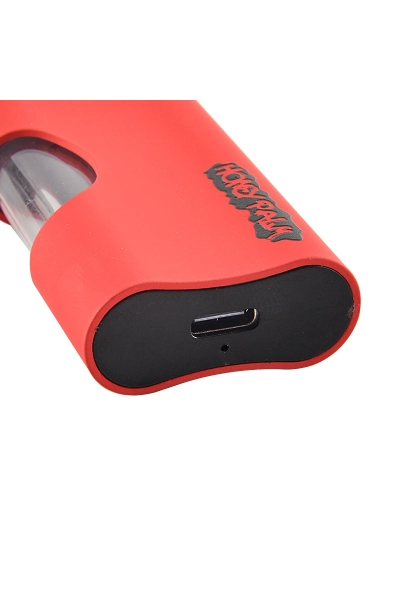
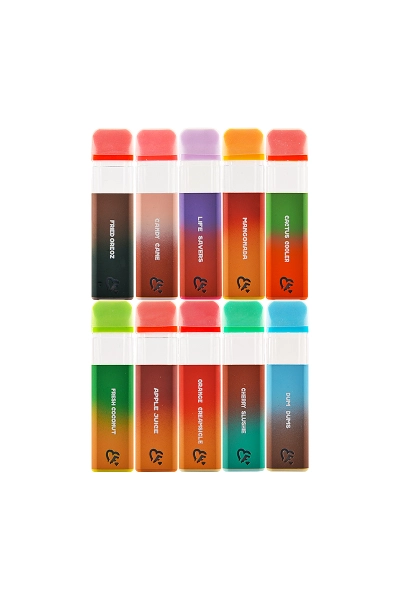
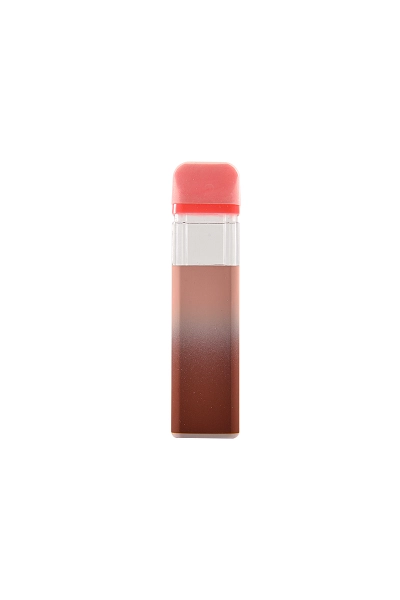
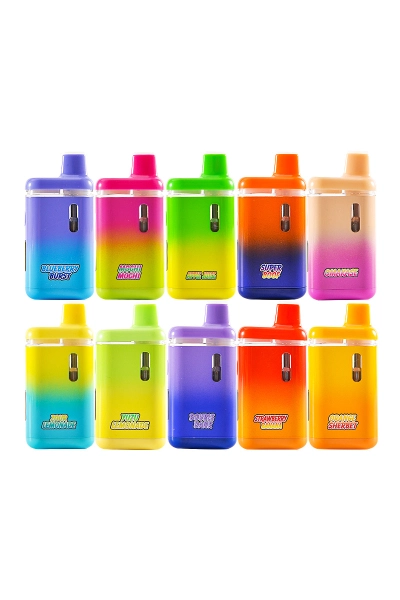
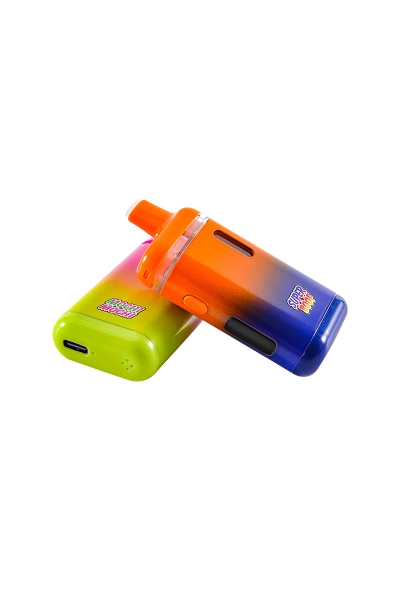
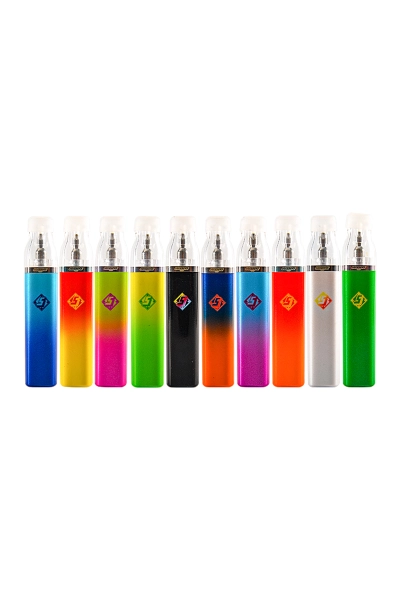
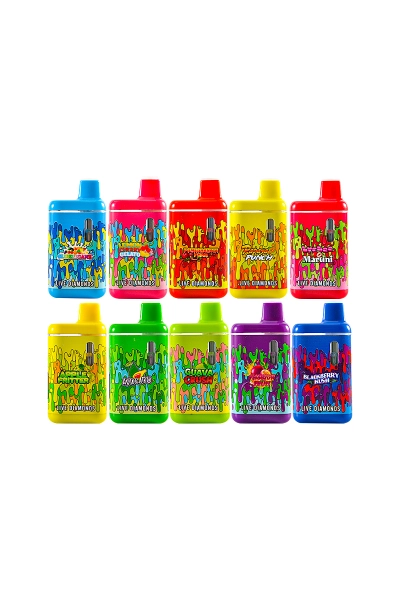
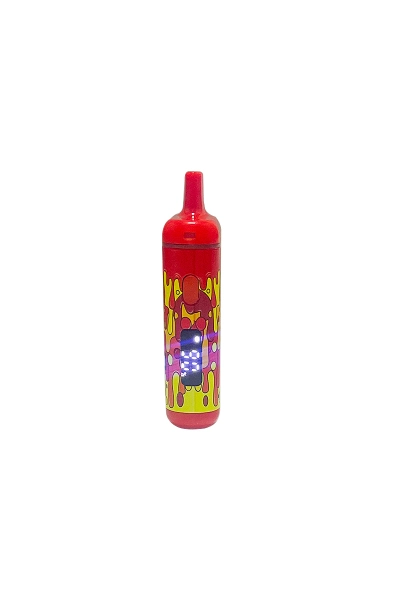
2) Sourcing fryd vape empty (shells only)
“Empty” means no oil included. If you are a licensed filler evaluating fryd vape empty hardware:
-
Pilot 20–50 pcs per oil using your actual terpene profile—not PG simulant.
-
Thermal/altitude cycling (room→cold→warm; sea level→air) to simulate transport.
-
Voltage table by oil: document clean flavor voltage, harshness threshold, and clog mitigation steps to power your customer support scripts.
-
AQL & RMA line in your PO: ≤1% cosmetic, ≤0.5% functional as acceptance criteria.
3) Your custom fryd vape review rubric (copy/paste)
Score each item 1–5; require an overall ≥4 before bulk.
-
Oil compatibility (wicking, first-hour saturation)
-
Flavor integrity (no scorching at recommended volts)
-
Clog resistance (cold-start, pocket pressure, re-insertion)
-
Mouthpiece seal & torque (post-fill stability)
-
Airflow & noise (draw consistency between units)
-
Build variance (weight, cap fit, resistance tolerance)
-
Label/pack fit (warnings/QR readable at intended size)
-
Transit simulation (no leaks after 48–72h cycling)
-
Return policy / lead time adherence
-
Documentation (spec sheets, batch IDs, cartons)
Use this custom fryd vape review to align procurement, QA, and your co-packer before the first pallet.
4) Keeping fryd vape price cheap without cutting corners
-
Standardize BOM (same mouthpiece, finish, and capacity across SKUs) to unlock tiered pricing.
-
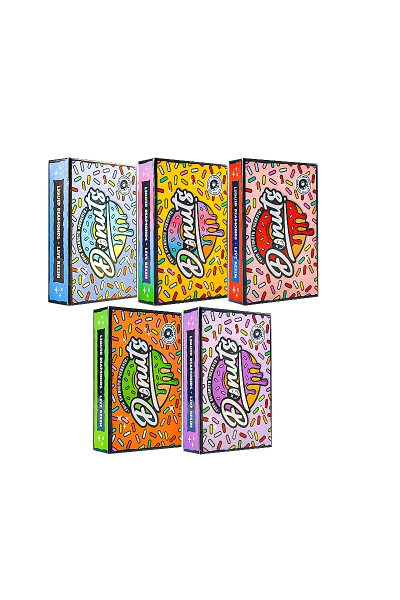
Choose print once: generic box + compliant over-label for fast launches; move to CMYK/foil when volumes stabilize.
-
Consolidate freight (inner/master counts that match your warehouse flow) to reduce handling and breakage.
-
Forecast realistically (rolling 8–12 weeks) so you’re buying during regular production windows, not rush slots.
Reminder: “fryd vape price cheap” should never mean accepting poor failure rates; cheap is TCO-optimized (hardware + packaging + freight + rejects), not corners cut.
5) FAQ (quick hits)
Q: How do I reduce clogging in cold regions?
A: Larger inlets plus a short pre-heat. Include a priming card with 2–3 steps for end users.
Q: Why does flavor mute at low voltage?
A: Oil-coil mismatch or restrictive airflow. Pilot two ceramic porosities and verify air path dimensions.
Q: Can I mix live resin SKUs with distillate on one device?
A: Possible if you pick a middle-ground inlet and adjust recommended voltage by oil; verify via the rubric above.
Important (21+)
This article is for licensed manufacturers/wholesalers. Hardware discussed as empty devices; no oil/liquid included. Always follow local regulations for labeling, testing, and age restrictions.


0 Comments