
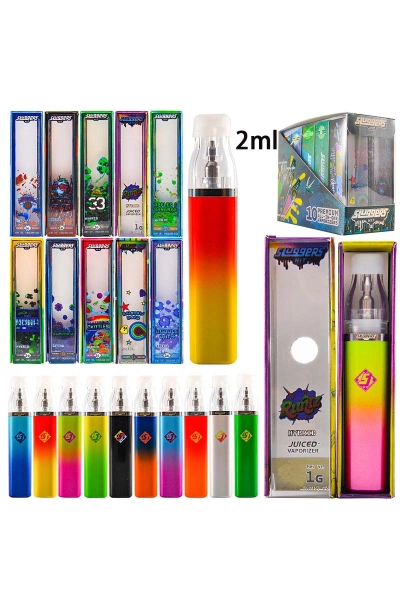
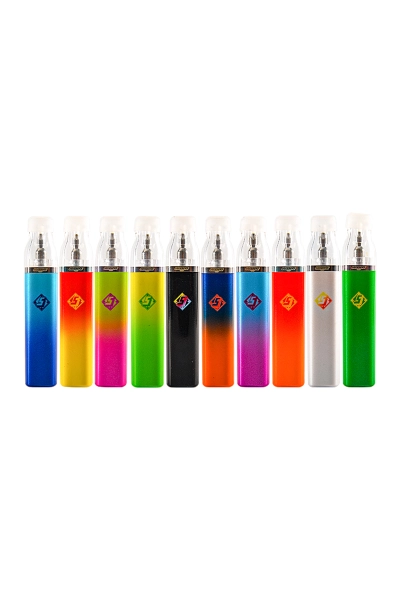
Whole-melt rosin (often called “full-melt”) demands more from hardware than standard distillate. It’s richer in native terpenes and mechanically separated resin heads, so it can be thicker at room temperature and more sensitive to heat spikes. If you want the best whole melt vaping experience for your customers—consistent flavor, minimal clogging, and low return rates—you need purpose-built empty disposables and carts with the right power profile, airway geometry, and materials. Below is a practical, specification-driven playbook for choosing wholemelt empty hardware you can scale, whether you buy case lots or go wholesale whole melt across multiple SKUs.
What “Whole Melt” Demands from Hardware
Thermal discipline. Solventless concentrates brown easily when overheated. Your device should maintain stable output in the ~2.0–2.6 V range (or an equivalent low-wattage curve) with smooth ramp-up and short preheat pulses (0.5–1.0 s). This preserves terpenes while preventing flood-then-spit cycles.
Atomizer architecture. Look for a sintered ceramic core with uniform pore distribution and a resistance tolerance typically within ±0.05–0.1 Ω of the nominal spec. Tighter spreads mean fewer “cold” or “hot” units when your oil varies slightly in viscosity between batches.
Airway & anti-condensation design. A dual-channel vapor path with a slight pressure-relief throat helps evacuate condensate and reduce blockage. Mouthpiece geometry should taper to a condensate pocket that can capture droplets without wetting the user.
Seal integrity. Food-contact-appropriate polymers (e.g., medical-grade PCTG or high-clarity engineered thermoplastics for the tank and mouthpiece) paired with elastomers that hold compression set after thermal cycling keep post-fill leaks to a minimum. Ask suppliers to share compression and recovery data for the cap gasket.
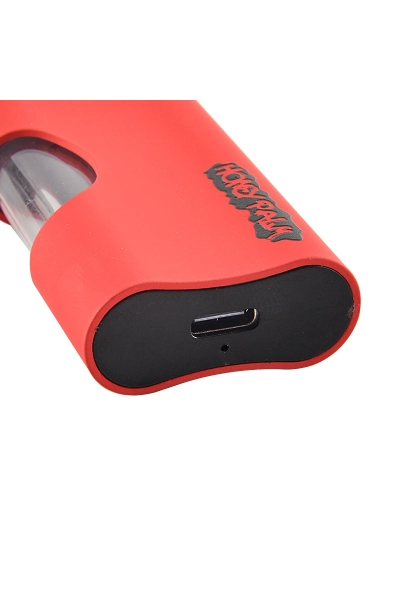
Battery & electronics. For disposables, a 280–400 mAh cell with USB-C recharge allows low-temp sipping without dead-battery complaints. Board-level protections (over-current, over-charge, short-circuit) and shipment safety testing (e.g., UN 38.3 on the cell) are table stakes for professional operations.
Empty Disposables vs Cartridges
-
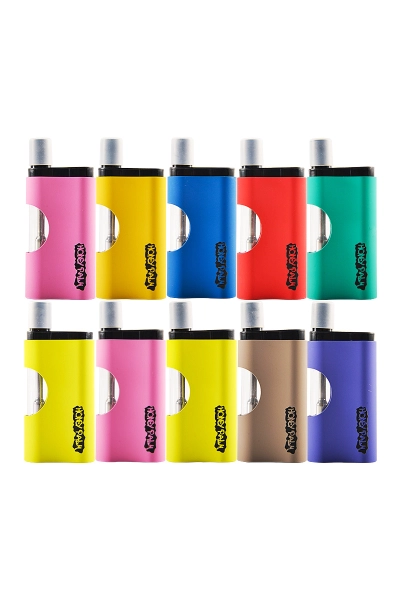
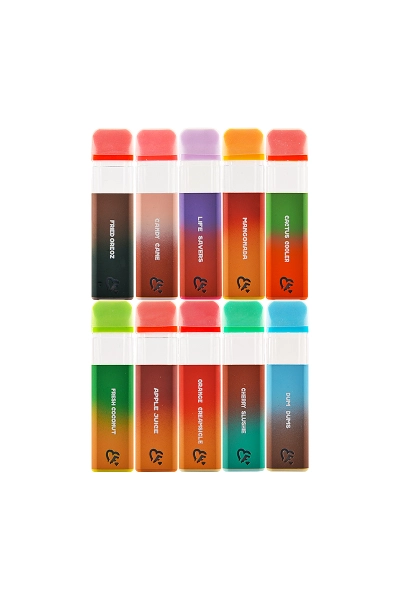
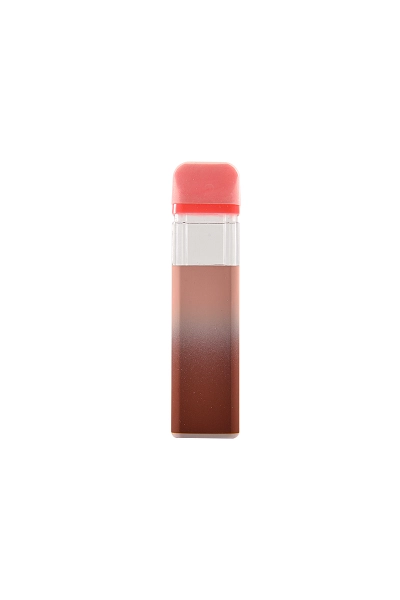
Empty disposables (AIO): Fewer interfaces, factory-set power curves, and a closed airway reduce leak vectors after fill. Great for wholesale whole melt programs where you want consistent brand experience across territories.
-
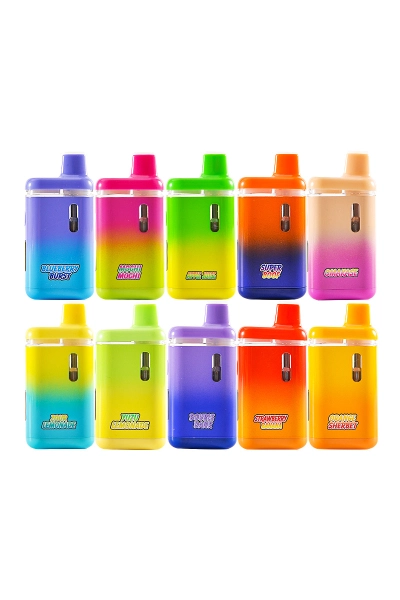
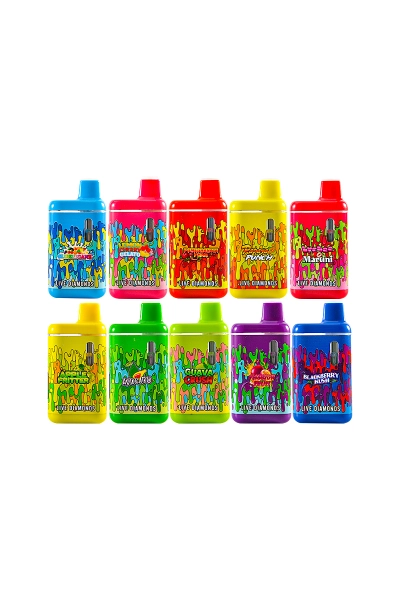
510 cartridges: Flexible (pair with your own batteries), but full performance depends on the end user’s power setting. If your brand prioritizes taste fidelity and complaint-free use, tuned AIOs often outperform carts with solventless rosin.
Spec Sheet: What to Require from Suppliers
-
Resistance Histogram for the full lot (not a single nominal value).
-
Voltage/Power Curve with ramp-up and thermal limit strategy documented.
-
Airflow Benchmark (Pa at standard test draw; include production tolerance).
-
Seal/Cap Torque Window and post-capping leak test method (e.g., pressure hold or mass-loss).
-
Materials Disclosures for tank, mouthpiece, seals; plus RoHS/REACH statements for electronics.
-
Battery Documentation: cell model ID, UN 38.3 report number that matches that cell, and charge/discharge cycle data.
-
AQL & RMA Policy: defect thresholds, evidence required (photos, lot labels), and replacement timeline.
Publishing parts of this data on your PDP or sell-sheet makes your offer more credible than generic “premium ceramic coil” claims—and it’s how buyers objectively judge the best whole melt hardware.
Filling & Line Integration Tips
-
Pre-warm & viscosity control: Bring rosin to a controlled fill temperature (often 35–55 °C, depending on formulation) long enough to drop viscosity—but not long enough to degrade terpenes. Use jacketed syringes to maintain consistency across a run.
-
Capping torque fixtures: Hand capping leads to wide torque variance and micro-leaks. Use a torque-controlled fixture that hits the supplier’s specified window every time.
-
Post-fill QC: Weigh before/after to confirm target fill mass. Run a short preheat (sub-second) to settle wicks, then cold-soak and upright-store units for 24–48 hours to reveal slow weepers before boxing.
-
Thermal cycling: Cycle pilot lots (e.g., 0→25→40 °C) to stress seals and identify blends that crystalize or separate under retail conditions.
Bulk, Wholesale, and Cost Strategy
You’ll see marketing like whole melt cheap on aggregator sites, but rosin-ready disposables are not commodity parts. To protect margin without sacrificing reliability:
-
Engineer the BOM, not just the price. Small upgrades—thicker gasket, tighter coil tolerance, or conformal coating—lower RMAs more than they raise unit cost.
-
Buy to your cadence. For wholesale whole melt across multiple flavors, align master-case counts to your daily fill throughput (e.g., 480–960 units/day). This minimizes open-case dwell time and handling damage.
-
Negotiate spares. Add mouthpiece caps and seals at 1–2% of order volume to cover line losses.
-
Freight math beats unit price. Packaging that protects mouthpieces and isolates batteries reduces transit damage and keeps your effective cost down more than a one-cent discount.
When someone advertises whole melt cheap, ask for the QC evidence (resistance histogram, AQL records, UN 38.3 cell ID). If they can’t supply it, the hidden “cost” will show up later as returns and chargebacks.
User Experience Tuning (For AIOs You Control)
-
Power profile: Default to low. A two-or three-stage curve with a gentle preheat safeguards flavor.
-
Airflow feel: Slightly freer than distillate-tuned devices helps prevent vacuum-induced flooding with solventless rosin.
-
Mouthpiece ergonomics: A narrow tip intensifies flavor but can increase condensation; a moderate bore with a short taper is a safer all-round choice.
-
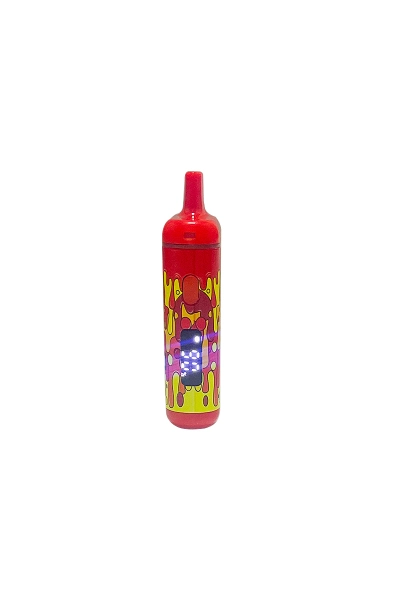
Indicator logic: Simple LEDs or a minimalist screen (battery/overheat icons) are plenty. Complex UI adds failure points and cost without improving solventless performance.
Documentation & Compliance (Hardware Side)
Even when selling wholemelt empty hardware, enterprise buyers should maintain a compliance packet:
-
Battery transport safety: UN 38.3 summary from the cell manufacturer.
-
Materials & electronics declarations: RoHS/REACH statements and material IDs for plastic/metal contact parts.
-
Label map: Reserved zones for age warnings, QR/serials, and batch IDs; ensure scannability after shrink or varnish.
-
Traceability: Lot codes printed both on device tray and master case; QR landing page should record fill date and line, even if the hardware is sourced from a third party.
Clear division of responsibilities also avoids confusion with whole melt vape thc marketing: your hardware listing remains a hardware listing (empty shells), while licensed partners own the finished-product COA, potency disclosures, and jurisdiction-specific warnings.
Quick Acceptance Checklist (8 Items)
-
Sample 50+ units from a single lot; record ohms, airflow, and visual defects.
-
Confirm battery model equals the one on the UN 38.3 report.
-
Verify board protections via supplier demo (short-circuit and over-current).
-
Fill a pilot batch with your densest rosin; observe for 48 hours upright.
-
Run a three-temperature cycle and re-weigh for seepage.
-
Inspect gasket compression set after capping to spec.
-
Test draw at low voltage; check for spit-back and noise.
-
Agree on RMA thresholds and evidence before issuing the PO.
Bottom Line
Selecting the best whole melt disposable or cart for solventless production is about verifiable specs, tight QC, and packaging that survives real shipping—not the loudest marketing. Whether you’re sourcing wholesale whole melt devices for a multi-state rollout or stocking wholemelt empty shells for a boutique line, insist on data, lock in your fill SOPs, and publish the proof your B2B customers (and retail partners) want to see.


0 Comments